ICOM IC-A25N Handheld NAV/COM Transceiver w/ Bluetooth – Open Box: Reliable NAV/COM Performance
ICOM IC-A25N Handheld NAV/COM Transceiver w/ Bluetooth – Open Box: Reliable NAV/COM Performance
Blog Article
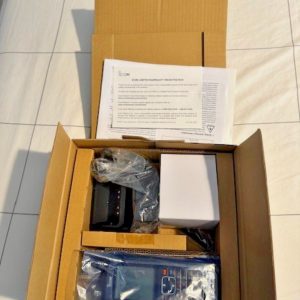
:::writingvariant="document" id="58314" ICOM IC-A25N Handheld NAV/COM Transceiver w/ Bluetooth – Open Box: Reliable NAV/COM Performance The ICOM IC-A25N Handheld NAV/COM Transceiver w/ Bluetooth – Open Box is designed for aviation users seeking a capable portable radio that can support communication and navigation-related operations. An open-box unit can provide excellent commercial value when the radio, battery, antenna, charger, documentation, and included accessories remain complete and in suitable condition. An ICOM IC-A25N Handheld NAV can support pilots who need a portable radio for cockpit backup, preflight monitoring, flight training, and general aviation communication. A capable ICOM IC-A25N Aviation Radio can provide additional confidence during flights, training activities, maintenance events, and ground operations. The ICOM IC-A25N Handheld Radio can be carried conveniently in a flight bag, stored as backup cockpit equipment, used during preflight activities, or assigned to aviation personnel who require portable communication. A Handheld NAV/COM Aviation Transceiver can reduce the need to carry separate portable communication and navigation receivers for certain aviation tasks. Whether a buyer is sourcing a Handheld Aviation Radio, Aviation NAV/COM Radio, Pilot Handheld Radio, or Aircraft Communication Radio, actual operating needs should guide the selection. The unit may also serve as a Portable Aviation Transceiver, Aviation Communication Device, Handheld Aircraft Radio, Aviation Navigation Radio, ICOM Pilot Radio, Emergency Aviation Radio, or Backup Aircraft Radio for appropriate aviation applications.
Why Pilots Choose the ICOM IC-A25N Handheld Radio
The ICOM IC-A25N is designed to provide aviation communication and navigation-related functionality in a portable enclosure suitable for cockpit, ramp, hangar, training, and emergency use. Its practical value comes from combining mobility, recognizable controls, aviation-focused operation, rechargeable power, and multiple communication or navigation functions. Real-world results depend on setup, antenna use, radio configuration, location, surrounding structures, and the condition of the complete package. Familiarity transforms a portable radio from stored equipment into a practical and dependable operational resource.ICOM IC-A25N Handheld NAV Features
A handheld NAV radio can be valuable to flight instructors who demonstrate aviation communication and navigation concepts during training. Flight schools can use portable radios to support classroom discussions, ramp communication, operational demonstrations, and backup planning. Navigation features should support rather than replace required pilot preparation, approved navigation equipment, current charts, and appropriate operational judgment. Organized cockpit placement improves access while protecting the radio from impact, movement, moisture, and accidental activation.ICOM IC-A25N Aviation Radio for Pilots
The radio may be useful to pilots operating aircraft with limited avionics, temporary communication problems, or different cockpit configurations. Flight instructors can use the device as supplemental equipment during ground lessons, aircraft walkarounds, and selected training exercises. A complete written inventory helps purchasers compare the open-box price with the cost of replacing missing accessories separately. Testing should occur in a lawful and appropriate manner without creating unauthorized transmissions or interfering with aviation communications.ICOM IC-A25N Handheld Radio Portability
Portable operation can be valuable to users who fly several airplane types or who do not control the installed equipment available in every cockpit. The antenna should be protected from bending or crushing while the radio is transported with other equipment. Preparation outside the aircraft supports more confident, efficient, and less distracting use during actual operations. A portable radio should not be left in extreme heat, direct sunlight, freezing conditions, or damp environments for extended periods.Handheld NAV/COM Aviation Transceiver Benefits
A NAV/COM transceiver can support normal operations, training, backup planning, aircraft delivery, and selected ground activities. Buyers should compare interface design, battery options, charging arrangements, antenna quality, accessory availability, display readability, audio performance, and operational needs. A brief function check can identify weak battery performance, loose accessories, damaged connectors, or configuration problems before departure. The antenna, battery, charger, headset adapter, belt clip, and other accessories should remain organized with the radio.Handheld Aviation Radio Applications
Portable radio access can improve operational flexibility when users move frequently between aircraft and aviation environments. A handheld unit is most valuable when charged, accessible, tested, and familiar to the pilot before it is required. Users may experience improved range when the antenna has a clear position compared with operation deep inside a metal airframe or enclosed structure. Pilots must use aviation frequencies responsibly and comply with applicable licensing, authorization, frequency, and communication requirements.Choosing an Aviation NAV/COM Radio
A NAV/COM radio may support pilots who need backup communication while also valuing navigation-oriented information and operating flexibility. A portable radio should support cockpit management rather than add unnecessary workload. The radio’s navigation-related functions should be used within the limits described by the manufacturer and the requirements of the intended operation. The antenna should be attached properly and protected from interference with controls or cockpit movement.Pilot Handheld Radio Applications
A Pilot Handheld Radio can provide useful communication redundancy during cross-country flights, aircraft delivery, rental operations, training, and travel to unfamiliar airports. Pilots should decide before departure where the radio will be located and how it will be retrieved during an abnormal situation. Training may also include using the radio with gloves, in reduced light, with a headset, or in a noisy cockpit environment. A battery that appears charged after long storage may not provide the operating duration expected under real conditions.Portable Aircraft Communication Radio
An aircraft communication device can support maintenance coordination, ground handling, training activities, and operational monitoring where appropriate. Headset and Bluetooth accessories should be tested for microphone quality and audio clarity before operational use. Buildings and hangar structures can also reduce radio performance during ground use. Qualified repair or manufacturer-supported service may be appropriate for electronic problems that cannot be corrected read more through normal setup.Maintaining a Portable Aviation Transceiver
The ability to carry the radio personally helps operators maintain access to familiar controls and stored settings. An accessory checklist may be useful for businesses or flight schools that issue the radio to different users. Bluetooth capability can improve convenience by supporting compatible wireless audio arrangements and reducing the number of cables around the pilot or operating area. Pilots should avoid troubleshooting complicated pairing issues during high-workload phases of flight.Aviation Communication Device Applications
Pilots should select communication equipment according to mission requirements, aircraft type, operating area, training needs, and backup planning. Transparent condition information allows the purchaser to judge whether the price reflects the package accurately. Aviation businesses should establish procedures for cleaning shared microphones, headsets, controls, and surfaces where appropriate. A well-managed Aviation Communication Device can support efficient and dependable operations across many aviation roles.Handheld Aircraft Radio Benefits
Ground teams may use appropriate handheld equipment during coordinated activities where aviation communication is required and authorized. A handheld unit allows maintenance personnel to confirm communication-related information while aircraft power remains disconnected. The pilot should route headset cables or charging leads carefully and avoid creating loops that can snag controls or occupants. Consistent care helps a Handheld Aircraft Radio transition reliably between cockpit, hangar, ramp, and storage use.Aviation Navigation Radio Applications
An Aviation Navigation Radio can support pilot situational awareness by providing portable access to compatible navigation-related functions and information. Students should receive appropriate instruction so the device supports learning rather than creating misunderstanding or distraction. The device should become part of a layered navigation and communication strategy rather than the sole source of critical information. A radio that has not been used recently may require charging, configuration review, Bluetooth reconnection, and accessory inspection.ICOM Pilot Radio Benefits
The IC-A25N provides a combination of communication, navigation support, Bluetooth connectivity, and portable power suitable for varied aviation roles. Even a well-regarded radio should be tested for power, audio, charging, display, controls, battery condition, and physical damage. The correct purchasing decision reflects mission, budget, equipment condition, support needs, and actual operational preferences. Periodic practice ensures that the user remains confident with essential functions as time passes.Maintaining an Emergency Aviation Radio
Emergency value depends on the radio being charged, accessible, configured, and familiar to the pilot before a problem occurs. A written quick-reference guide may help, but it should remain simple enough to use without creating distraction. The pilot should know how to operate the radio directly if a paired headset or wireless accessory fails. Battery packs should be replaced when capacity declines, physical damage appears, charging becomes unreliable, or the manufacturer’s guidance indicates replacement.Maintaining a Backup Aircraft Radio
Backup equipment can be particularly valuable during cross-country operations, aircraft delivery, training, rental flying, or travel in older aircraft. Stored batteries can lose capacity, accessories can become misplaced, settings can change, and physical damage may go unnoticed. A dedicated flight-bag pocket, protective mount, or secured cockpit storage area may provide suitable access. Aviate, navigate, and communicate priorities remain essential whenever communication equipment problems occur.Open-Box ICOM IC-A25N Purchase Checklist
A careful physical review helps determine whether the product condition matches the seller’s open-box description. Missing accessories can increase final cost and may prevent the radio from being used as expected immediately after delivery. A complete demonstration can provide valuable confidence for buyers who cannot inspect the radio in person. A professional purchasing process protects both parties and supports a fair evaluation of the open-box aviation transceiver.Maintaining a Portable NAV/COM Transceiver
A professional handheld transceiver should be managed as aviation equipment rather than treated like an ordinary consumer radio. Maintenance should be completed before the radio is needed for an important flight or emergency role.- Review the complete package and remove the radio from backup service if physical or electronic condition is uncertain.
- Verify frequency settings, memory organization, Bluetooth pairing, audio routing, volume, squelch, navigation functions, and battery status during preflight preparation.
- Use a protective case or dedicated flight-bag compartment so the radio remains accessible, complete, and free from damage.